System Update: We are experiencing issues with login functionality for our store and digital assets. We appreciate your patience as we work to resolve the issue and apologize for any inconvenience. Learn More
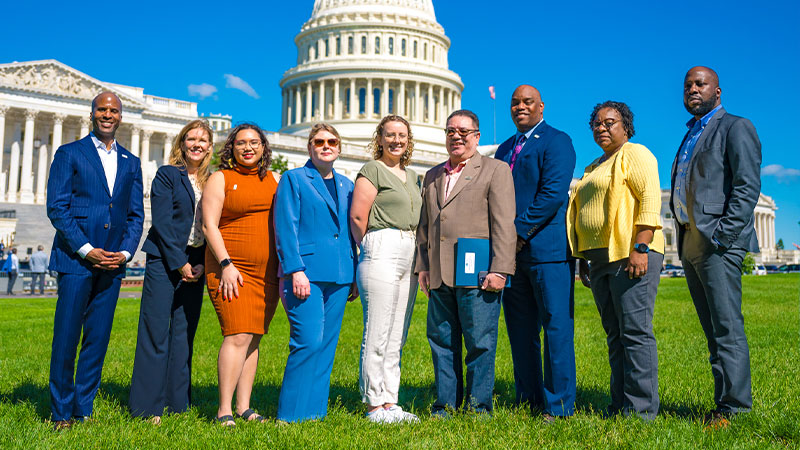
Beginning Your Advocacy Journey
Advocacy 101 is designed to help you create change and make a positive impact on the world!
It provides information on how to engage your legislator, how to build a case for your issue and how to reach out to decision-makers. It also includes tips on how to be an effective advocate, and suggestions for communicating with your legislature.
-
Effective Advocacy for Substance Use Disorder Counselors
Advocacy Tips Identify your goal and your ask: Before you begin advocating for a cause, it's important to clearly identify your goal and your ask. Your goal is what you want to achieve. Having a specific goal in mind will help you focus your efforts...
-
Useful Sites for Advocacy Work
A quick guide to useful advocacy websites—Congress.gov, OpenSecrets, USA.gov, Ballotpedia, GAO.gov, and FederalRegister.gov—to research legislation, elections, policy data, and federal rules.
-
Navigating Insurance Commissions
This Advocacy 101 guide explains insurance commissions, their impact on counseling services, and how professionals can navigate them effectively.
-
Effective Advocacy for School Counselors
Advocacy Tips - Identify your goal and your ask, Before you begin advocating for a cause, it's important to clearly identify your goal and your ask. Your goal is what you want to achieve. Your ask is what you’ll ask policymakers to do to achieve your goal
-
Effective Advocacy for Mental Health Counselors
Advocacy Tips - Before you begin advocating for a cause, it's important to clearly identify your goal and your ask. Your goal is what you want to achieve. Your ask is what you’ll ask policymakers to do to achieve your goal.
-
Advocacy Tips
Here are some tips for effective advocacy.
-
Avoiding Common Mistakes
It is important to approach advocacy with care to avoid common mistakes. Here are some tips:
-
Engaging with Your Legislator Out of Session
Engaging with legislators after the session has ended can be a great way to build your relationships with policymakers and help set the agenda for the next legislative session.
-
Become an Advocate for the Profession
Visit the ACA Take Action page and join our advocacy campaigns.
-
How to Respond to a Regulatory Comment Request
Regulatory Comments Framework starting with Who should respond and why?
-
How to Track Legislation
Tracking state and federal legislation can be an overwhelming task, but with the right tools and approach, it can be manageable. Here's a step-by-step guide.
-
How to Write an Op-ed
An op-ed, short for "opposite the editorial page," is an article written by an individual who is not affiliated with the newspaper or publication.
-
Tips to Consider When Communicating with Your Legislator
Communicating with a legislator can be an effective way to advocate for a cause or express your opinion on an issue. Here are some tips on how to effectively communicate with a legislator
-
Writing Your Legislator a Letter
Please refer to this template when writing an e-mail or mailing a letter to your legislator. It is highly recommended that you email the legislator.
-
Steps for a Congressional Bill to Pass
Passing a congressional (or state) bill can be a long and complex process, but here are the basic steps.
-

When I engage in advocacy, I know that I am doing something that can lead to meaningful change, even when the road is long.
Jordan Westcott, Ph.D., NCC
Contact Our Advocacy Team

2461 Eisenhower Avenue, Suite 300, Alexandria, Va. 22314 | 800-347-6647 | (fax) 800-473-2329
My ACA Join Now Contact Us Privacy Policy Terms of Use © All Rights Reserved.