
Essential strategies for counselor well-being
Related Articles from Counseling Today
The Season of Surviving the System
How can counselors provide care in a world that sometimes feels like it’s no longer working?

Political stress is reshaping the counselor-client relationship.

Proactive strategies can help counselors and supervisors tackle burnout together.

When friendships crack, some people seek support through friendship counseling, an emerging practice area.

There are not enough mental health providers to meet the current demand for care. 121 million people in the U.S. lived in federally designated mental health professional shortage areas and estimates that 6,000 additional mental health workers are needed.

How I Found Purpose after Burnout
After tucking in my young kids for the night, I collapsed into bed. My husband was away on his second overnight shift in two days. I lay there alone, thinking of work the next day, and felt a drop in my stomach.

Counselors share how they have built fulfilling careers despite challenges.

Counselors are using happiness interventions to help clients redefine happiness and live a more fulfilling life.

Treating depression by focusing on solutions and acceptance
Depression is a common mental health disorder and affects people from every walk of life, regardless of their age, race, ethnicity or socioeconomic background. According to

Addressing the loneliness epidemic
Loneliness is a growing public health concern, but counselors can help clients examine the underlying cause of this feeling and learn to rebuild their connections to others.

Behind the Book: Counselor Self-Care (2nd edition)
Since the first edition of Counselor Self-Care came out in 2018, we have experienced many new stressors, including the COVID-19 pandemic, social injustice and political polarization.
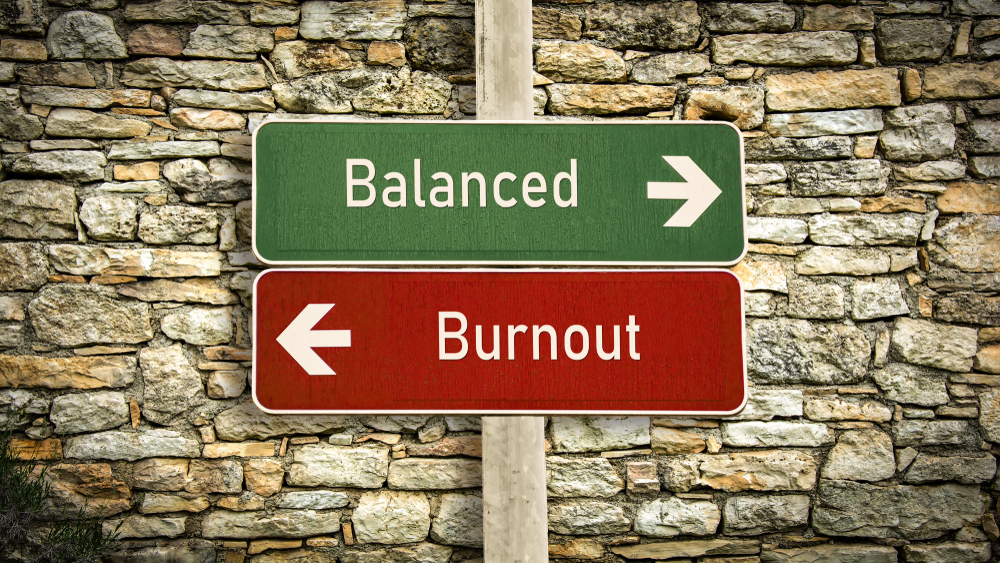
Recognizing burnout and compassion fatigue among counselors
Counselors have a responsibility to take care of their own mental health before they can help others with their well-being.
4 steps to refresh, recharge and reconnect
Self-care is always easier said than done, but with these four steps, counselors can ensure they are taking time to care for and invest in themselves.

Past, present or future: Where do you usually live?
When you are in the present moment, you are not waiting for the next moment to be fulfilling or happy.

Getting triggered as a counselor
Counselors will inevitably be confronted by countertransference, but by learning to recognize and manage it, an experience that has sometimes been stigmatized can become a tool for professional and personal growth.

Counselor burnout during COVID-19
Three research studies suggest that counselors did not burn out at a higher-than-normal rate during the first year of COVID-19, but the experience of pandemic fatigue remains an ongoing challenge.

Why your own therapy is so important as a counselor
When clinicians shy away from engaging in therapy themselves, they are limiting their ability to be effective counselors.

Stumbling blocks to counselor self-care
As a counselor, which of the following elements are absolutely essential for you to do your job well?
Related Counseling Today Member Blogs
-
 7 Ways to Help Someone with Illness Anxiety DisorderApr 29, 2025|5 min read
Once labeled as “hypochondriacs,” clients with illness anxiety disorder can receive the support they need through compassionate counseling approaches.
-
 6 Ways to Have a Better Relationship with Social MediaApr 15, 2025|4 min read
Build a healthier relationship with social media by setting boundaries, managing comparisons and focusing on what matters.
-
 How to Activate a Push Button to Build Resilience in ClientsMar 11, 2025|3 min read
Activating a “push button” such as a positive inner voice, enjoyable activity or self-care routine can help people increase their resilience.
Tags:
Continuing Education on This Topic
Related Publications
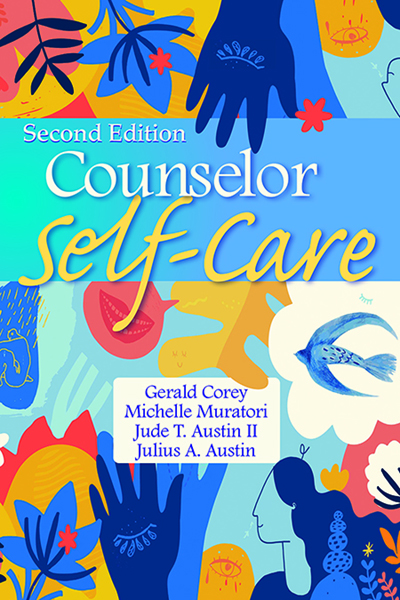
Counselor Self-Care 2nd Edition
Tags: Professional Counseling, Wellness & Self Care
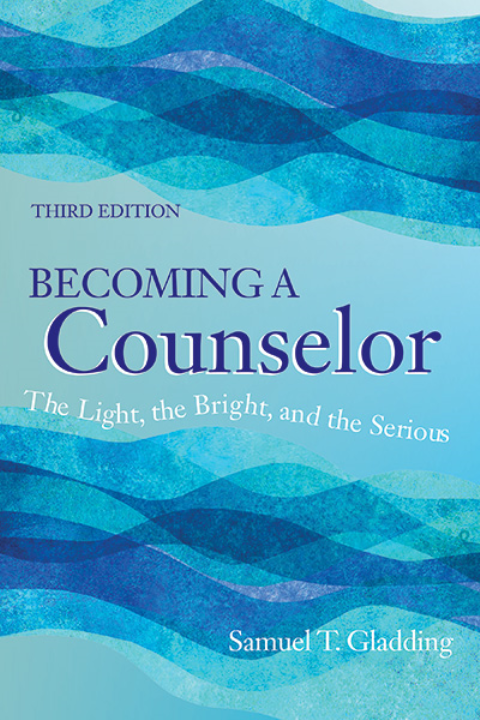
Becoming a Counselor: The Light, the Bright, and the Serious, 3rd Edition
Tags: Career Development, Professional Counseling, Professional Development, Wellness & Self Care
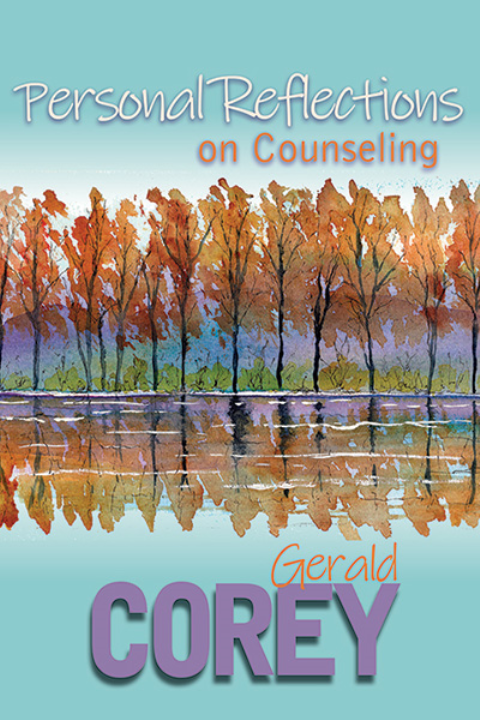
Personal Reflections on Counseling
Tags: Career Development, Professional Counseling, Professional Development, Wellness & Self Care
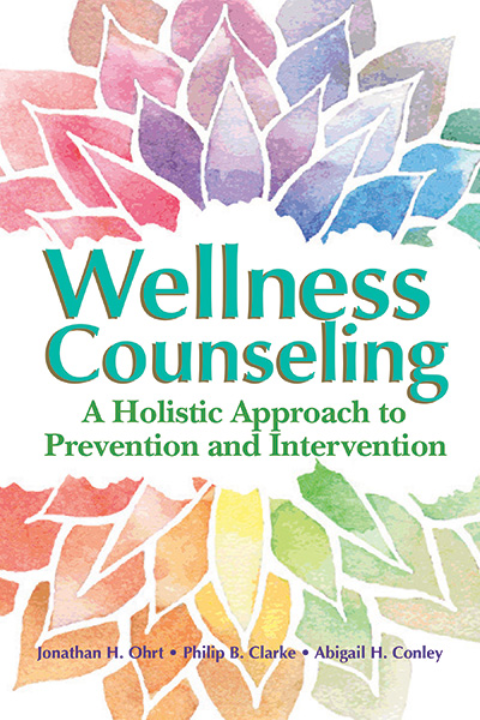
Wellness Counseling: A Holistic Approach to Prevention and Intervention
Tags: Assessment, Diagnosis & Treatment, Treatment & Intervention, Wellness & Self Care
Related Practice Briefs
Wellness
The World Health Organization (1967) stated that wellness encompasses more than just the absence of disease; it includes a holistic perspective of physical, mental, and social well-being. Within the counseling field, the initial focus was on the client’s wellness; however, the concept also includes counselor wellness (Witmer & Young, 1996). Wellness is (a) multidimensional, (b) best represented on a continuum, and (c) more than just the absence of illness (Roscoe, 2009). Myers, Sweeney, and Witmer’s (2000) defined wellness as: a way of life oriented toward optimal health and well-being, in which body, mind, and spirit are integrated by the individual to live life more fully within the human and natural community. Ideally, it is the optimum state of health and well-being that each individual is capable of achieving. (p. 252)
A number of milestones have marked the rise of wellness as a tenet of the counseling profession:
- Witmer (1985) was the first to introduce the construct of wellness to the counseling field.
- Myers (1992) suggested that wellness is a major paradigm within the counseling field.The American Counseling Association developed a task force to promote wellness and prevent counselor burnout (Lawson & Verant, 2006).
Wellness Assessment
The Five Factor Wellness Inventory (5F-Wel; Myers & Sweeney, 2008), developed from the Indivisible Self Wellness Model (IS Wel Model), assesses an individual’s overall wellness, and five factors of wellness: essential self, social self, physical self, creative self, and coping self. The 5F-Wel is the most common assessment of wellness used in the counseling field. Versions are available for adults and K-12 students, and it has been translated into other languages to meet the needs of diverse populations.
Additional Assessment Resources:
- Free assessments are provided at http://www.psy.miami.edu/faculty/ccarver/CCscales.html
- Website for the National Wellness Institute which provides resources for best practices, a wellness conference, training/education opportunities, free wellness assessments, and current issues regarding wellness: http://www.nationalwellness.org/?
Evidenced Based Intervention Strategies:
Counselors and Wellness
- ACA (2005) and Myers and Sweeney (2008) advocate for the necessity of evidence-based practices that promote client and counselor wellness.
- Counselors who incorporate wellness into their lives may experience lower levels of burnout (Young & Lambie, 2007).
- Website link to the ACA taskforce on Counselor Wellness and Impairment; provides information regarding well- ness strategies, educational programs, assessments, risk factors of impairment, and wellness resources: http:// www.counseling.org/wellness_taskforce/tf_history.htm
- Myers, J. E., & Sweeney, T. J. (Eds.). (2005). Counseling for wellness: Theory, research, and practice. Alexandria, VA: American Counseling Association.
- Granello, P. F. (2012) Wellness Counseling. Upper Saddle Ridge, NJ: Merrill-Pearson
Spirituality and Wellness
- Practicing mindfulness, increases purpose in life, life satisfaction, social support, positive mood and decreased depressive symptoms and illness (Fredrickson et al., 2008; Weibel, 2007).
- Center for Mindfulness in Medicine, Health Care and Society: http://www.umassmed.edu/cfm/ http://psychology.tools/technique-mindfulness.html
- Web Resource: Association for Spiritual, Ethical, and Religious Values in Counseling: http://www.aservic.org/
Physical Health and Wellness
- Practicing yoga in a 10-week yoga program increased participant’s ability to handle induced stressors (Hempel & Ott, 2006). Clients with PTSD who participate in 5 yoga session have reduced anxiety and improved well-being (Williams et al., 2005). Yogic breathing balances an overactive nervous system and enhances well-being (Brown & Gerbarg, 2005).
- Website for the U.S. Department of Health & Human Services, National Institutes of Health; provides health and wellness resources for a variety of populations and specific health topics: https://www.nih.gov/health-information/science-based-health-wellness-resources-your-community
- Healthy People: http://www.healthypeople.gov/2020/default.aspx
- National Heart, Lung, and Blood Institute: http://www.nhlbi.nih.gov/health/index.htm#tools
Mental Health and Wellness
- Gratitude is positively associated with positive affect, optimism, happiness, and life satisfaction; gratitude is negatively associated with anxiety and depressive symptoms (Emmons & McCullough, 2003; McCullough, Emmons, & Tsang, 2002)
- Forgiveness increases positive relationship skills, leads to a less stressful marriage, and is associated with greater wellness (Worthington & Scherer, 2004).
- Volunteering results in reduction in depressive symptoms (Musick & Wilson, 2003) and enhanced well-being and happiness (Krueger, Hicks, & McGue, 2001).
- Association for Humanistic Counseling: http://afhc.camp9.org/
- National Institute of Mental Health: http://www.nimh.nih.gov/index.shtml
- Professional Counseling
- Wellness & Self Care
Explore Topics

2461 Eisenhower Avenue, Suite 300, Alexandria, Va. 22314 | 800-347-6647 | (fax) 800-473-2329
My ACA Join Now Contact Us Privacy Policy Terms of Use © All Rights Reserved.