Assisting Those Who Are Most Vulnerable
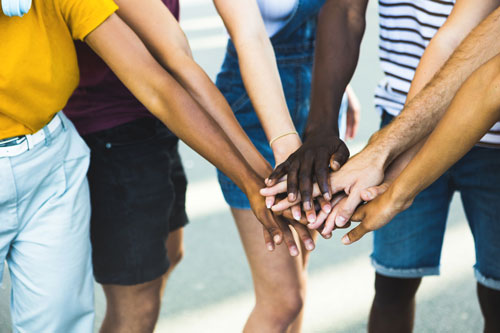
Marginalized communities face barriers that limit their access to resources, opportunities and equal treatment in society. These communities include people of color, LGBTQ+ communities, low-income populations, people with disabilities, and immigrants. Given the rise of attacks and legislation against marginalized communities over the past few years, the work professional counselors do in supporting them has been even more crucial.
Related Articles from Counseling Today
From the President: The Land on Which We Stand
Land acknowledgments are an opportunity to offer healing through honoring lived experiences, understanding the impact of colonization and balancing mourning with celebration of life.
Looking back, moving forward: COVID-19 and Indian Country
Throughout American history, the United States government, despite well-documented treaties, has unjustly treated Native Americans. Treaties ratified in 1851 and 1868 were violated during the COVID-19 pandemic national emergency...

Advocates argue that for the profession to evolve and better serve the needs of diverse clients, it must embrace counseling theories that address lingering gaps in more traditional approaches.
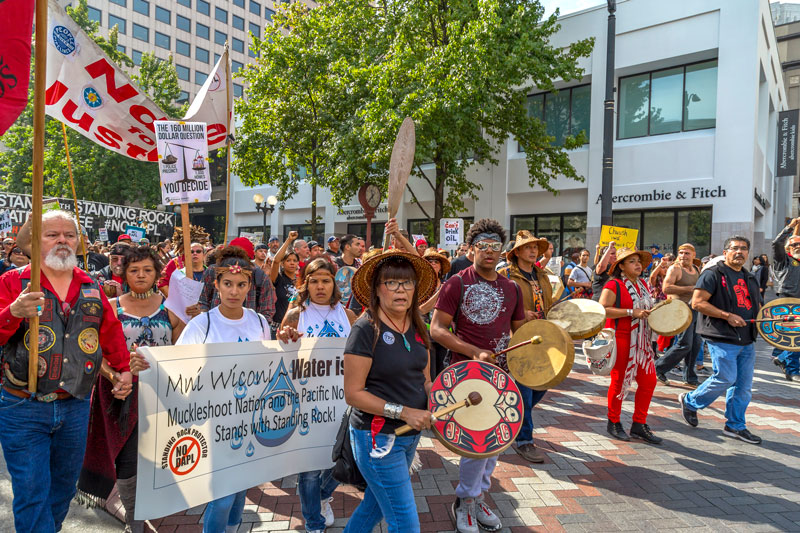
A collective voice: Indigenous resilience and a call for advocacy
Resilience is one of the characteristics hallmarking the experience of North America’s indigenous tribes. These tribes predate the European exploration and colonization that led to the renaming of these inhabited lands to the United States of America.

Voice of Experience: Invisible people, Part 1: Native Americans
The little girl sitting next to me was no more than 5. Her bony little body was draped in clothes that appeared to have been worn for several days. Unmistakably Apache, she looked up at me and smiled from her seat on the school bus in which we were riding
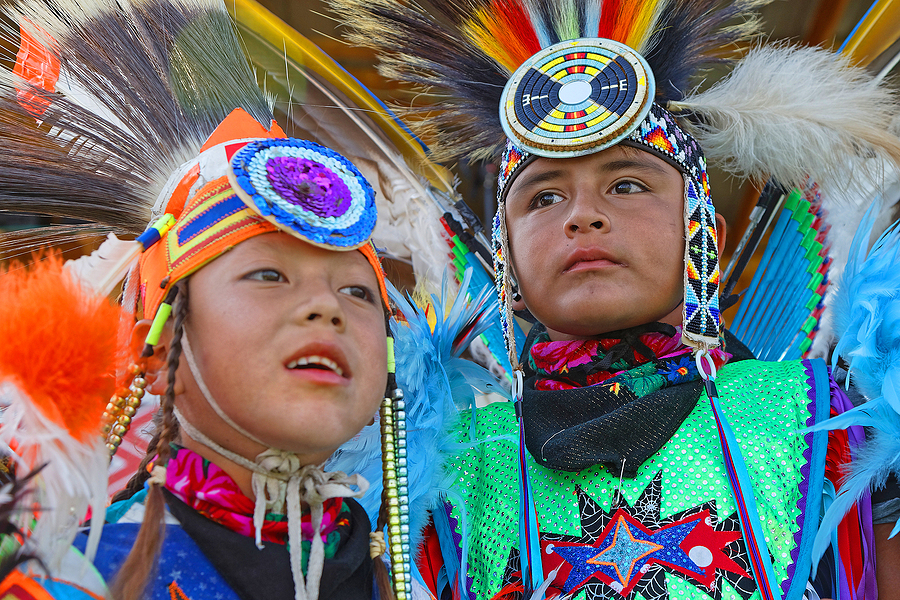
Counselor uses connection with Lakota tribe to expand cultural competencies
The lives and worldviews of more than 100 Nebraskan youths and counseling students have been enriched thanks to Bruce Dickinson, who uses his passion for Native American culture to connect with members of the Lakota tribe.
Indigenous Mental Health Advocacy
Indigenous communities experience disproportionately high rates of mental health challenges but are often unable to access care due to numerous systemic barriers to accessing timely, affordable, and culturally responsive care. Greater investment in culturally appropriate mental healthcare is essential, including through federal grants, increased staffing at Indian Health Services (IHS) and more comprehensive healthcare reforms.
Learn more:
- Indigenous Mental Health Fact Sheet : Learn more about the current mental healthcare landscape for indigenous communities, barriers to care, possible policy solutions and how you can advocate for change.
- IHS Behavioral Health Job Opportunities Guide: Explore career opportunities with IHS.
- HHS Announces Millions for Mental Health and Substance Use Programs for Tribal Funding Opportunities: Learn about some of federal grants available to support indigenous communities.
Related Continuing Education

“We Are Still Here”: Learning From Native American
This article addresses multiculturalism as it relates to the Native American perspective. This article uses qualitative research in order to explore Native Americans’ perspective on subjects related to counseling to inform clinical practice and training.
Explore Topics

2461 Eisenhower Avenue, Suite 300, Alexandria, Va. 22314 | 800-347-6647 | (fax) 800-473-2329
My ACA Join Now Contact Us Privacy Policy Terms of Use © All Rights Reserved.