System Update: We are experiencing issues with login functionality for our store and digital assets. We appreciate your patience as we work to resolve the issue and apologize for any inconvenience. Learn More

The Importance of Being Courageous
March 2026
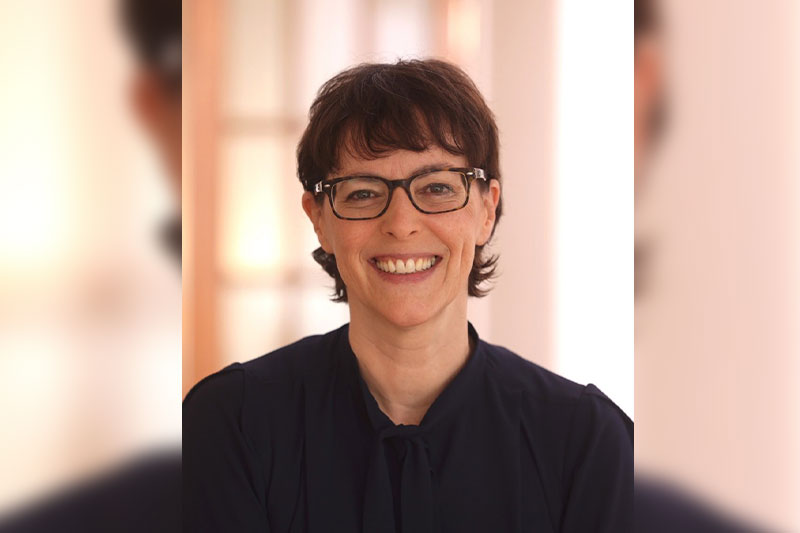
Some jobs come with a high level of stress, which can quickly lead workers to experience burnout, trauma and empathic strain. That is where educator, speaker and trauma-trained therapist Françoise Mathieu, MEd, RP, comes in. The executive director of TEND, which assists professionals in high-stress fields, will speak at the 2026 ACA Conference & Expo in Columbus, Ohio, April 9-11. She discussed her experiences with Counseling Today.
What is TEND and how did you become involved with it?
I am the co-founder and executive director of TEND, a Canadian consulting firm that provides education, consulting and training to high-stress, trauma-exposed organizations and professionals across North America. I co-created this company in 2002 with a fellow mental health professional.
We had both been in the mental health field for about seven years and were working in settings with a high level of acuity and diminished referral resources. Over time, we began to notice, both in ourselves and in other professionals, an erosion of compassion toward certain clients, increased workplace cynicism and negativity, and stories that were impacting our personal lives.
I was also becoming increasingly concerned with what I was witnessing when liaising with other community resources. Vulnerable individuals were sometimes being profiled, judged, blamed and, quite frankly, at times, revictimized by the system.
Although I went to two excellent graduate schools to complete my master’s degree in counseling, burnout and secondary traumatic stress were not mentioned in my courses. We also did not have a framework for trauma-informed care.
My colleague and I decided to start researching the topic, and we created a one-day workshop in our community. We made it clear that we were “enthusiasts,” not experts, and over time, this workshop grew into a movement.
We began to get more requests for trainings, and I eventually gave up my full-time job as a front-line clinician to focus on the work at TEND.
This work continues to be the most rewarding career decision I have ever made. I get to meet front-line professionals and leaders from a wide range of fields and support them in developing tools to remain compassionate and manage exposure to distressing stories.
What prompted your interest in workplace stress and burnout?
Before completing my master’s degree, I volunteered in two settings that had a profound impact on me: a hospital emergency ward and a maximum-security prison.
Some staff were cynical about their jobs, hostile toward some of the patients and incarcerated individuals and were quite miserable in general. And yet, in these two workplaces, I also met some professionals who were well — they seemed able to navigate the constraints and challenges of the work, remain compassionate and have a life outside of work. I became fascinated with how this was possible. What were these “career-sustaining behaviors?”
I have an intense professional curiosity about all occupations. For example, if I meet a long-distance truck driver, I will want to know their shift schedules, where they sleep, what they eat and the pros and cons of that job. I am fascinated by the world of work and what makes a job a good job for an individual.
Without giving too much away, what is your speech going to focus on?
The focus is: How do we find moral courage in our volatile and, for some, unsafe climate? I am going to talk about ways to exercise moral courage, and what that can look like for each person. Moral courage isn’t about breaking laws or burning everything down. It’s about daily decisions that we can make about taking a stand, within the limits of what is possible given our roles, identities and social capital.
What do you hope counselors will take away from your speech?
Many counselors are already engaging in moral courage in their daily lives, but we can all become dysregulated and discouraged at times. If I may quote from a recent article that I published on this topic: “Kidder (2005) describes moral courage as ‘the bridge between talking ethics and doing ethics.’ It’s a powerful definition, but in the middle of a workday, stepping onto that bridge can feel terrifying. That’s when big theories fail us. What we actually need are the small, grounded things that bring us back to who we are. … There is a quiet bravery in the simple act of refusing to lose our way.”
Search CT Articles
Current Issue

Sign Up for Updates
Keep up to date on the latest in counseling practice. Sign up to receive email updates from Counseling Today.

2461 Eisenhower Avenue, Suite 300, Alexandria, Va. 22314 | 800-347-6647 | (fax) 800-473-2329
My ACA Join Now Contact Us Privacy Policy Terms of Use © All Rights Reserved.