System Update: We are experiencing issues with login functionality for our store and digital assets. We appreciate your patience as we work to resolve the issue and apologize for any inconvenience. Learn More

2026 Grand Prize Essay Discusses Overreliance on Technology Among Students
April 2026
The ACA Future School Counselors Essay Competition, part of the annual ACA Awards, recognizes graduate counseling students with exceptional insight and understanding about the school counseling profession. Awardees receive an honorarium, complimentary registration for the ACA Conference & Expo and recognition during the event.
The theme for the 2026 awards competition was “How can school counselors help students address personal/social issues that are impacting their success in school? What do you believe is the most pressing issue, and how will they be able to demonstrate and document their effectiveness?”
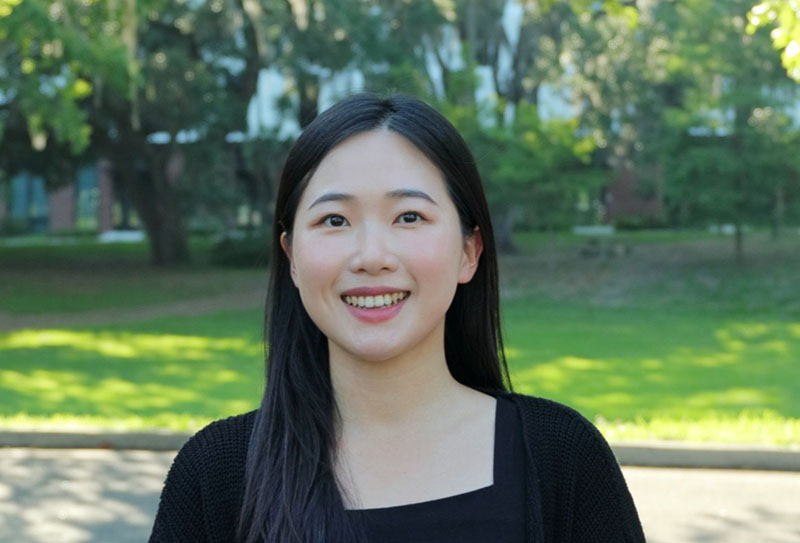
ACA congratulates Grand Prize winner Eungyeong Jun, of the University of Florida, whose award-winning entry appears here.
"2026 Future School Counselors Essay Competition Entry" by Eungyeong Jun
A recent case in California, where a 16-year-old received harmful AI-generated suggestions for suicide, illustrates a growing concern: many young people are turning to technology instead of trusted adults when they feel distressed. Social media, artificial intelligence, and other digital platforms offer instant accessibility and predictable interactions, making them seemingly safer spaces for students to seek support. However, these digital substitutes cannot replace the relational experiences that foster critical social-emotional competencies. Empathy, communication, emotional regulation, and conflict resolution are skills that develop primarily through authentic human interaction. Overreliance on technology can therefore impede the growth of these foundational abilities, leaving students vulnerable to social withdrawal, anxiety, loneliness, and reduced self-efficacy — all of which negatively impact learning, engagement, and long-term success.
School counselors are uniquely positioned to address this challenge by facilitating relational growth that technology cannot provide. A Multi-Tiered System of Supports (MTSS) offers a comprehensive framework for doing so. At Tier 1, counselors can implement schoolwide social-emotional learning (SEL) instruction focused on communication skills, digital wellness, and healthy technology boundaries. At Tier 2, targeted group counseling can support students experiencing peer conflict, social anxiety, or isolation by creating intentional opportunities for authentic engagement. Tier 3 involves individualized counseling aimed at rebuilding students’ confidence, resilience, and capacity to navigate real-life relationships. By supporting students across all tiers, counselors ensure that relational skill development is both preventive and responsive, meeting students’ diverse social-emotional needs.
Within the MTSS framework, integrating SEL with academic and career development is essential for holistic growth and ensures that students do not journey alone. Peer mentoring programs can strengthen academic persistence by promoting collaboration and mutual accountability. Likewise, group counseling supports career readiness by giving students space to explore identity, strengths, and barriers together. These relational experiences cultivate self-confidence, motivation, and a sense of belonging. Counselors can further promote a positive school climate by collaborating with teachers to embed SEL into instruction, engaging families to reinforce learning at home, and connecting with community organizations to expand meaningful interactions. Systemic, culturally responsive practices ensure that interventions target specific challenges, including stereotype-related pressures such as the model minority myth affecting Asian students, and promote equity across the school community.
To document and demonstrate effectiveness, counselors can collect data aligned with the ASCA National Model. Process data (e.g., number of lessons, groups, and individual sessions) captures the scope of services provided. Perception data reveals changes in students’ confidence, attitudes, and social-emotional skills. This data can be collected both quantitatively and qualitatively by using pre- and post-assessment measures and conducting interviews with multiple stakeholders. Outcome data such as attendance, grades, and promotion or graduation rates provide measurable evidence of improved functioning and school success. Furthermore, needs assessments conducted before interventions allow counselors to tailor programs to students’ unique circumstances and ensure cultural responsiveness.
In an era where digital tools increasingly compete with human connection, school counselors’ relational presence remains irreplaceable. By restoring authentic human interaction, counselors strengthen the social-emotional foundation essential for students’ academic achievement, well-being, and long-term success.
Search CT Articles
Current Issue

Sign Up for Updates
Keep up to date on the latest in counseling practice. Sign up to receive email updates from Counseling Today.

2461 Eisenhower Avenue, Suite 300, Alexandria, Va. 22314 | 800-347-6647 | (fax) 800-473-2329
My ACA Join Now Contact Us Privacy Policy Terms of Use © All Rights Reserved.