
A Practical Playbook for Advancing Equity
March 2026
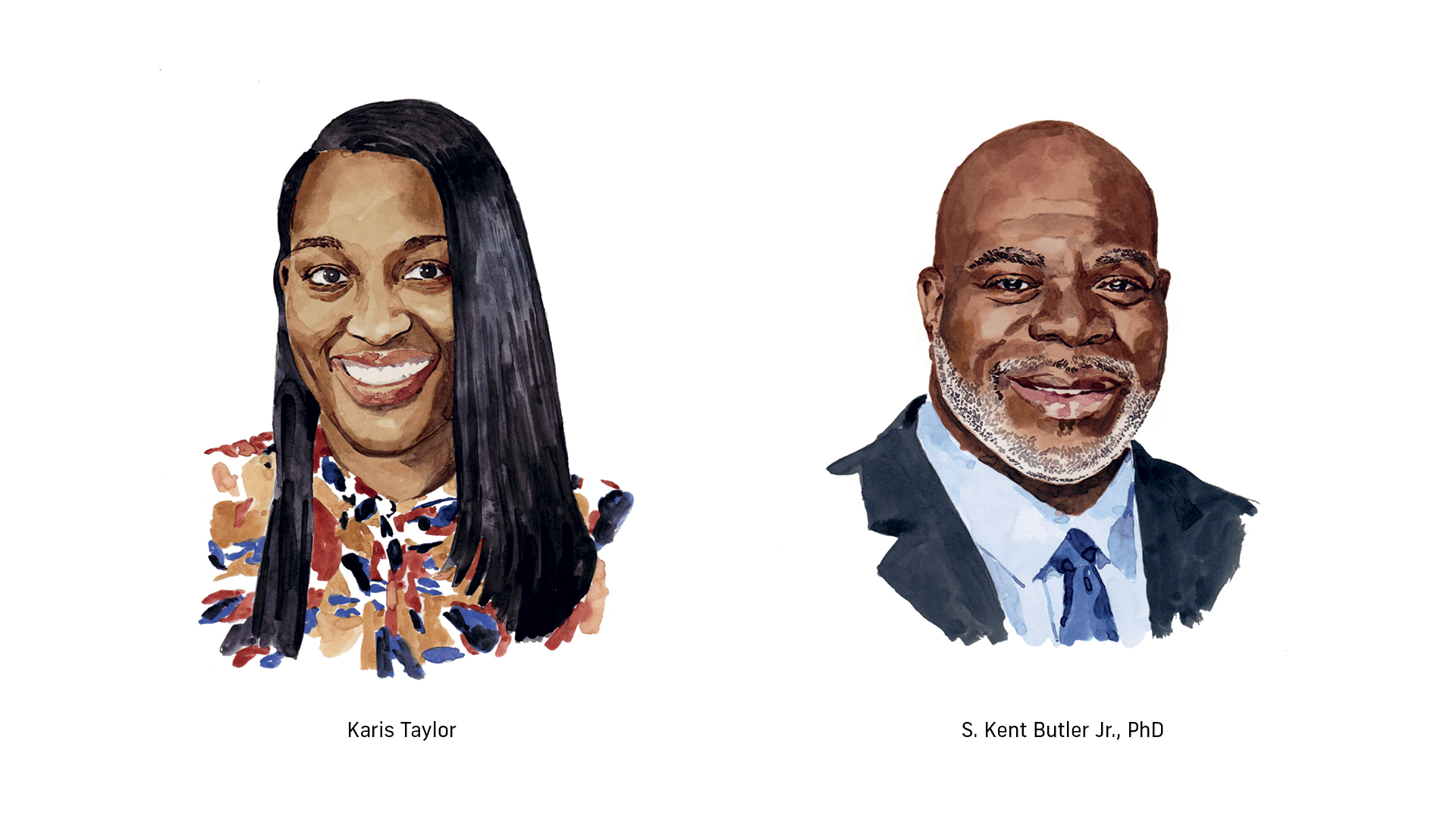
Every issue we ask a counseling student or new professional to pose a career-related question to another counseling professional who has experience in that topic. This month, Karis Taylor asks S. Kent Butler Jr., PhD, how to advance diversity, equity and inclusion (DEI) initiatives in today’s political environment.
Question:
Considering the current lack of funding and governmental support for DEI initiatives, what strategies do you recommend for future counselors and counselor educators to explore these challenges and advocate for DEI in the workspace?
Answer:
Declining funding and governmental support for DEI initiatives create considerable obstacles for counselors and counselor educators. Nonetheless, these barriers do not diminish the profession’s ethical responsibility to address cultural and systemic factors that affect clients’ lived experiences.
While formal DEI structures may be reduced, our profession remains grounded in values that prioritize multicultural awareness, cultural humility and work that honors human dignity. The ACA Code of Ethics and the Multicultural and Social Justice Counseling Competencies highlight the need for practitioners to understand identity, power and context within the therapeutic process. For counselors-in-training, this means cultivating skills that acknowledge systemic barriers, support disregarded clients and promote engagement in reflective practices that challenge assumptions and biases.
Counselor educators can sustain this work by strategically integrating equity-focused content throughout the curriculum. Educators can embed multiculturalism across counseling theories, skills training, assessment procedures and supervision. Providing culturally responsive lessons, advancing inclusive policies and guiding student research related to equity and systemic disparities can promote learning environments aligned with the profession’s core values.
Here are some more ways counseling professionals can continue to advance DEI initiatives:
- Reframe DEI efforts using terms similar to “belonging,” “inclusive learning environments” or “workplace culture” to continue advancing equity while hovering within institutional boundaries.
- Foster informal communities of practice or faculty alliances for shared advocacy and professional growth.
- Unite with grassroots organizations or local leaders to promote mental health equity.
- Use evidence to authenticate inequalities or show the benefits of inclusive practices to help persuade institutional or political leaders who hesitate to advance DEI.
- Help clients navigate systemic barriers while advocating for equitable policies and practices.
- Use research, data and participation in professional associations to positively impact workplace standards, accreditation expectations and public policy.
Ultimately, continuous engagement in DEI work requires personal and collective empowerment. Facing political opposition or institutional pushbacks can be emotionally challenging, making it essential for counselors and educators to cultivate supportive networks, engage in peer consultation and prioritize both self-care and community care.
Explore more strategies to advance DEI initiatives.


2461 Eisenhower Avenue, Suite 300, Alexandria, Va. 22314 | 800-347-6647 | (fax) 800-473-2329
My ACA Join Now Contact Us Privacy Policy Terms of Use © All Rights Reserved.