
Highlighting the importance of mental health awareness
While one in five people will experience mental illness over the course of their lifetimes, everyone will face challenges that can and will affect their mental health. Observed every year on October 10, World Mental Health Day seeks to raise awareness of mental health issues and highlights efforts to support mental health.
Acknowledging the state of one’s mental health issues is important, and so is being able to seek help when you’re struggling. ACA has provided resources to support counselors around the world who play a crucial role for those struggling with their mental health.
Related Articles from Counseling Today
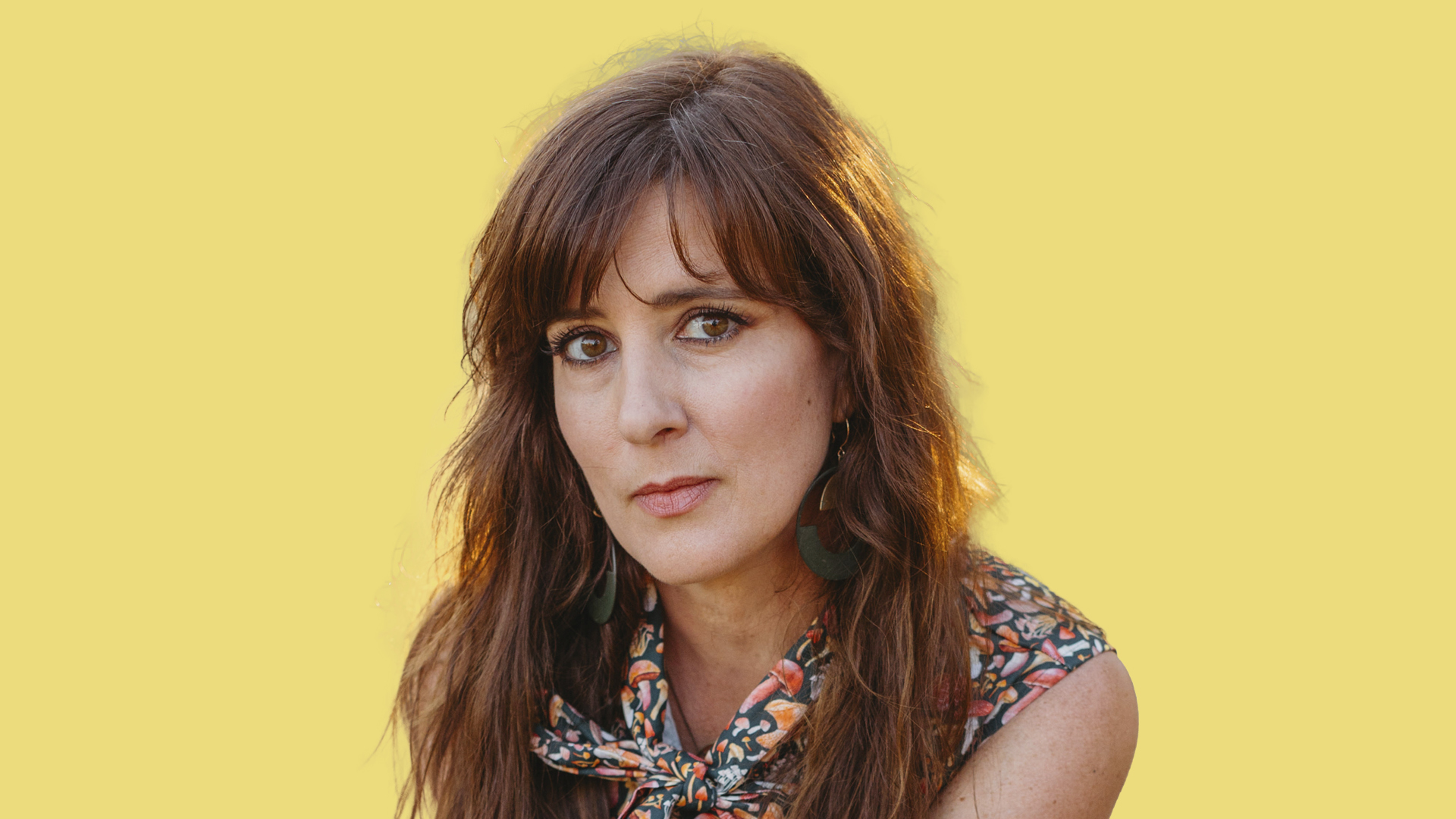
The Season of Surviving the System
How can counselors provide care in a world that sometimes feels like it’s no longer working?

Political stress is reshaping the counselor-client relationship. Political stress, which refers to the anxiety and emotional strain caused by government policies and political conflict, has become a regular theme in many sessions.

Proactive strategies can help counselors and supervisors tackle burnout together.

When friendships crack, some people seek support through friendship counseling, an emerging practice area.

There are not enough mental health providers to meet the current demand for care. 121 million people in the U.S. lived in federally designated mental health professional shortage areas and estimates that 6,000 additional mental health workers are needed.

How I Found Purpose after Burnout
After tucking in my young kids for the night, I collapsed into bed. My husband was away on his second overnight shift in two days. I lay there alone, thinking of work the next day, and felt a drop in my stomach.
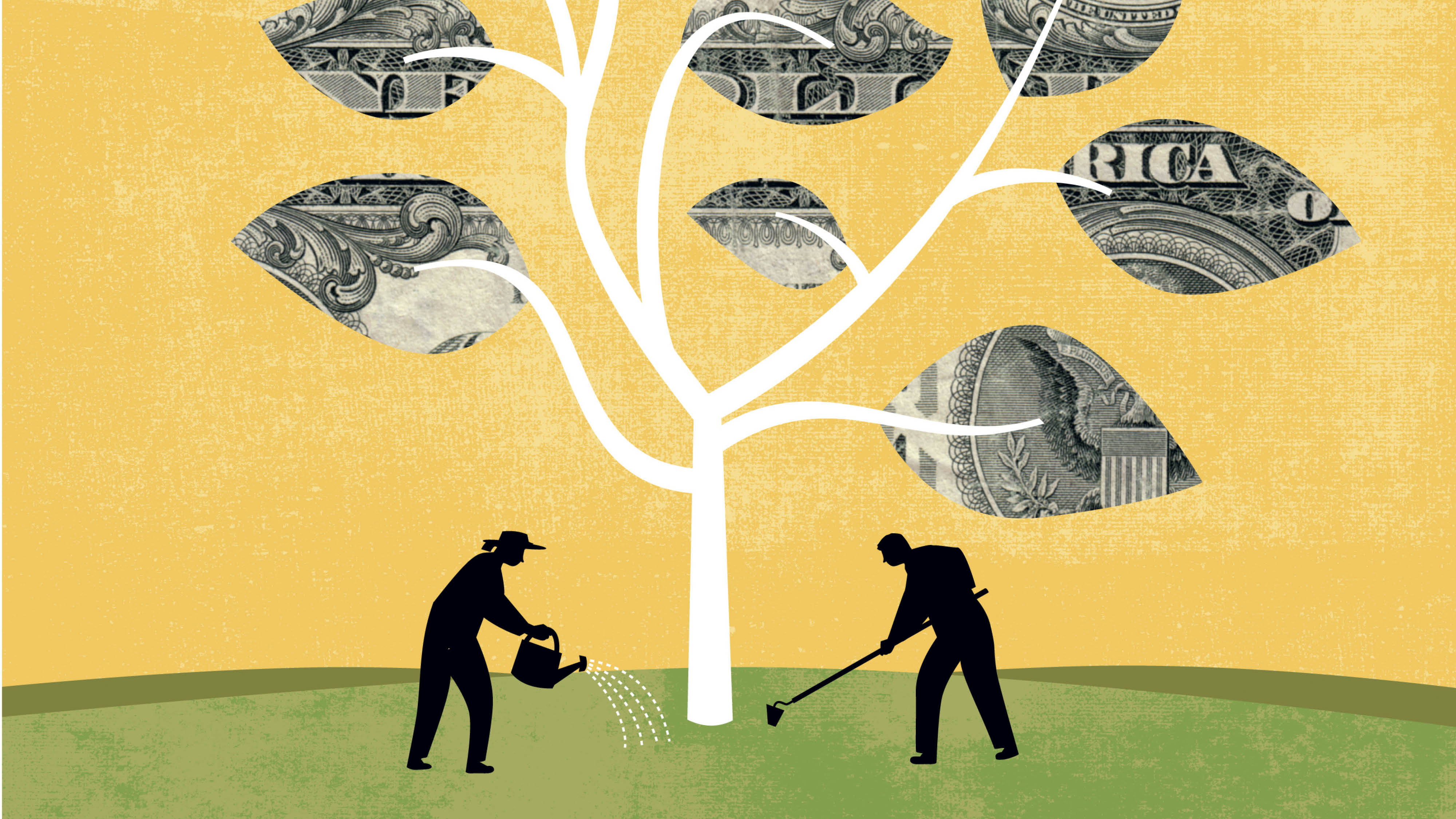
Counselors share how they have built fulfilling careers despite challenges.

Counselors can help transracial and transnational adoptees heal the wounds from separation and being raised in an all-white world.

For people who want to return to the workplace after a gap or extended break, the search for the right job can come with serious doubts about getting back into the game.

Counselors are using happiness interventions to help clients redefine happiness and live a more fulfilling life.

Treating depression by focusing on solutions and acceptance
Depression is a common mental health disorder and affects people from every walk of life, regardless of their age, race, ethnicity or socioeconomic background. According to

Addressing the loneliness epidemic
Loneliness is a growing public health concern, but counselors can help clients examine the underlying cause of this feeling and learn to rebuild their connections to others.
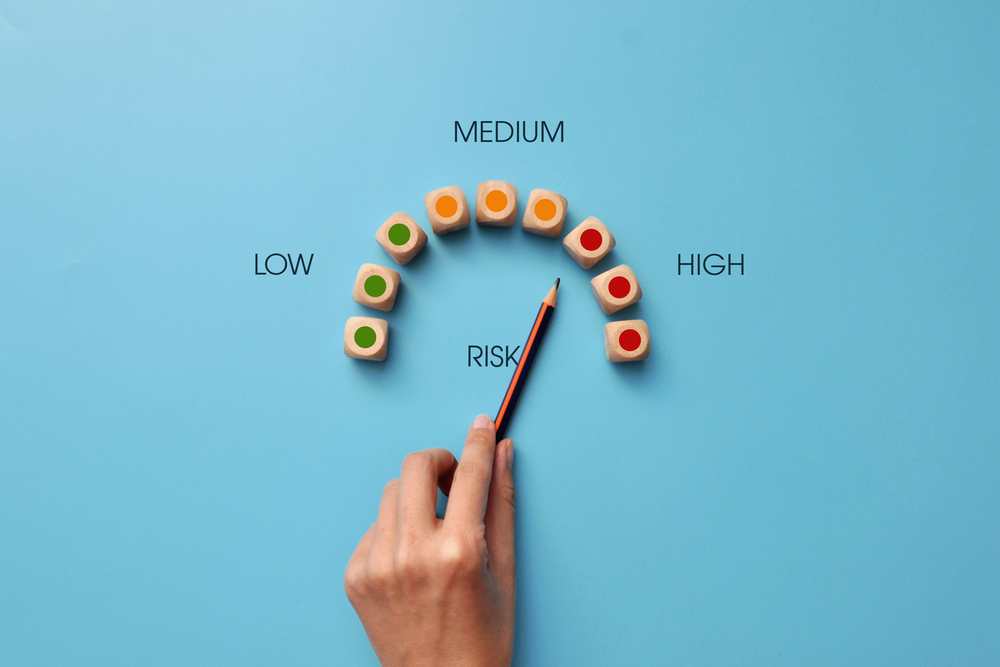
Voice of Experience: The danger of misinterpreting risk
Fear and stigma can often cause people to incorrectly perceive individuals with a mental health disorder as a threat, which can have serious consequences.
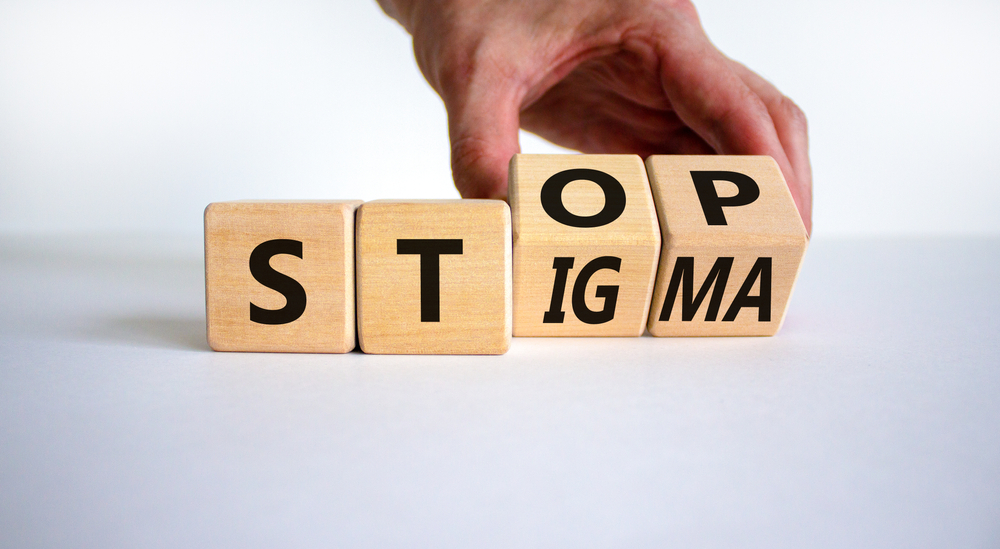
To decrease the stigma around mental health in society, we must confront stigmatizing and biased thinking in the clinical world.

Voice of Experience: Disorders with the potential for dangerous outcomes
When working with people with disorders that are associated with more dangerous behaviors, counselors must be prepared to assess the client’s risk of violence to themselves and others.
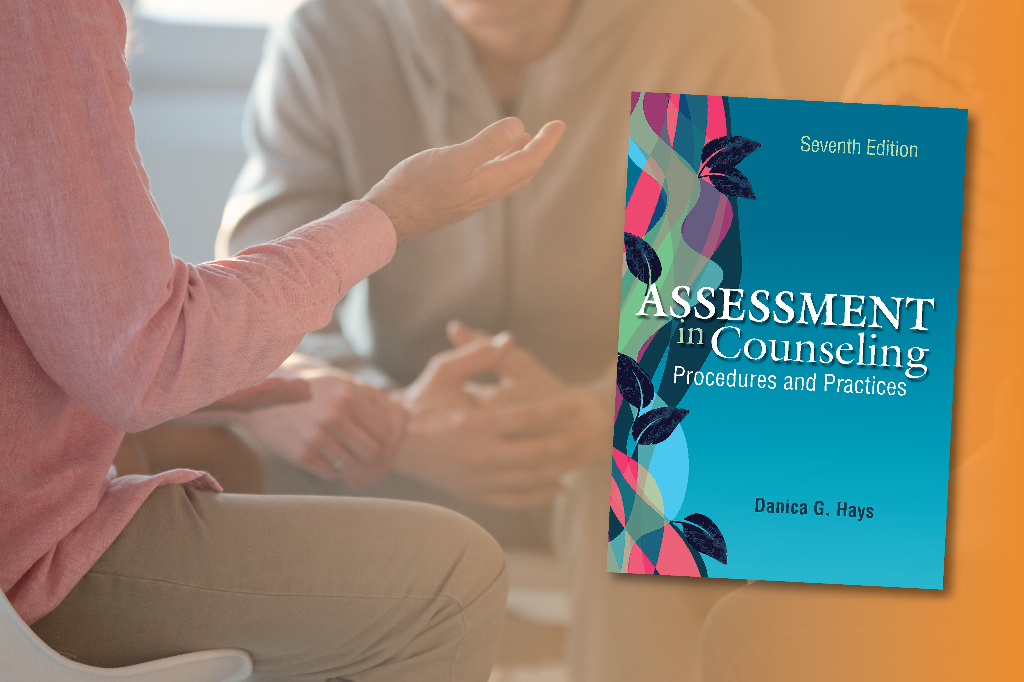
Behind the Book: Q&A with Danica G. Hays
Danica G. Hays, author of Assessment in Counseling, discusses what’s new in the recently published seventh edition and how proper assessment of clients can help strengthen the therapeutic alliance.

Cultivating patience in counselors
A desire for change can sometimes cause counselors and clients to overlook the importance of building a sense of safety first.
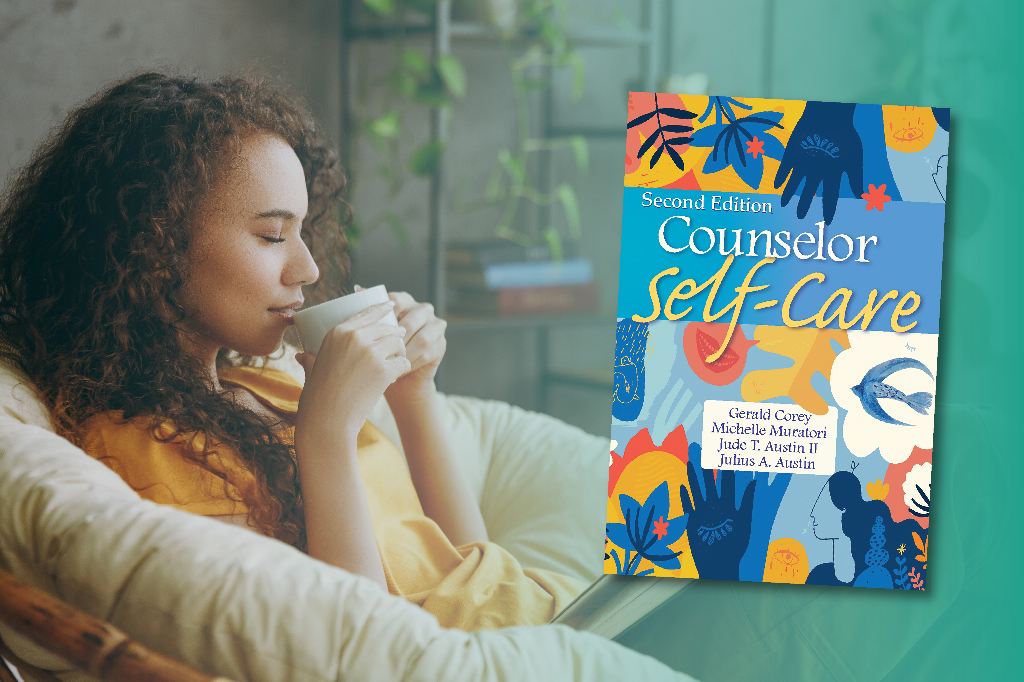
Behind the Book: Counselor Self-Care (2nd edition)
Since the first edition of Counselor Self-Care came out in 2018, we have experienced many new stressors, including the COVID-19 pandemic, social injustice and political polarization.

The mental toll of adult bullying
Adult bullying is a social and mental health issue. Regardless of the reasons why a person is targeted by a bully, research shows that its impact can be disastrous to a person’s health and well-being.

Conceptualizing diagnosis through a social justice lens
Approaching diagnosis through a lens that considers systemic, cultural and ecological factors leads to better treatment outcomes for clients.
General Public Resources from the Counseling Corner
If You’re Feeling Overwhelmed, Building Emotional Resilience Can Help

Life is full of challenges that can leave you feeling drained. Whether it’s managing a family household, maintaining good grades at school or dealing with stressful work responsibilities, everyone encounters times when they are trying to cope with too many things. Juggling life’s responsibilities can become overbearing when it feels like there is no solution to lighten the load you are carrying.
The ability to cope during trying times is a skill known as emotional resilience. It can help you to adapt and overcome adversity, stress, trauma or other significant life events that may cause anxiety. Practicing emotional resilience does not mean you will not experience emotional or mental distress, but it can equip you with the tools to manage these feelings effectively.
The Benefits of Learning to Cope
Being able to manage hardships and setbacks is a skill that can enhance your quality of life. Mentally, it can reduce the risk of anxiety, depression and other mental health issues. Maintaining effective coping strategies can lower stress levels and improve your overall physical well-being. In addition, you can enhance communication and empathy in your personal and professional relationships, and approach challenges with a clear and focused mind.
Nine Ways to Build and Strengthen Your Resilience
Here are some key skills and strategies to help develop and maintain healthy coping habits:
- Cultivate Self-Awareness: Practice mindfulness to stay present and aware of your thoughts and feelings. Recognize your emotions and understand their impact on your behavior.
- Develop a Positive Mindset: Reframe negative thoughts into positive ones by focusing on your strengths and achievements.
- Enhance Problem-Solving Skills: Approach challenges with a solution-first mindset. Learning from past experiences can help you avoid repeating mistakes.
- Maintain Physical Health: Eat a balanced diet and get adequate sleep. Exercise regularly to boost endorphins and reduce stress.
- Practice Stress Management Techniques: Allocate time for hobbies and activities that bring you joy. Use relaxation methods such as deep breathing, meditation or yoga that can help restore calm.
- Seek Professional Guidance When Needed: Consult a counselor to work through complex emotions and a medical professional about health-related issues.
- Set Realistic Goals: Break down large tasks into manageable steps and celebrate small accomplishments to help build confidence.
- Strengthen Your Social Connections: Build a strong support network and engage in community activities to foster a sense of belonging.
- Create Space for Calm: Organize your personal space to create a calming and nurturing environment by, for example, adding plants or arranging your space to take advantage of natural light to your home or workspace.
Special thanks to Rhonda L. Niemeyer, LPC, NCC, for her contributions to this article.

2461 Eisenhower Avenue, Suite 300, Alexandria, Va. 22314 | 800-347-6647 | (fax) 800-473-2329
My ACA Join Now Contact Us Privacy Policy Terms of Use © All Rights Reserved.