
Reducing Risk Where Counseling Happens
By Cindy Kuzma
February 2026
Personal safety is a pressing concern for counselors, and a recent tragedy brought the issue into sharper focus. On Jan. 19, a former client killed Rebecca White, a licensed mental health counselor, at her Orlando, Florida, office, according to the local sheriff’s department.
The assailant demanded to see White as she finished an evening session and attacked both her and her client, according to local news station WESH. The client called 911 and is expected to survive his injuries, but White died at the hospital. The former client was found dead the next morning, apparently of self-inflicted wounds.
6 Safety Tips for the Workplace
- Place locked doors or other obstacles between yourself and an outside aggressor.
- Enable staff to screen people through locked doors before they enter.
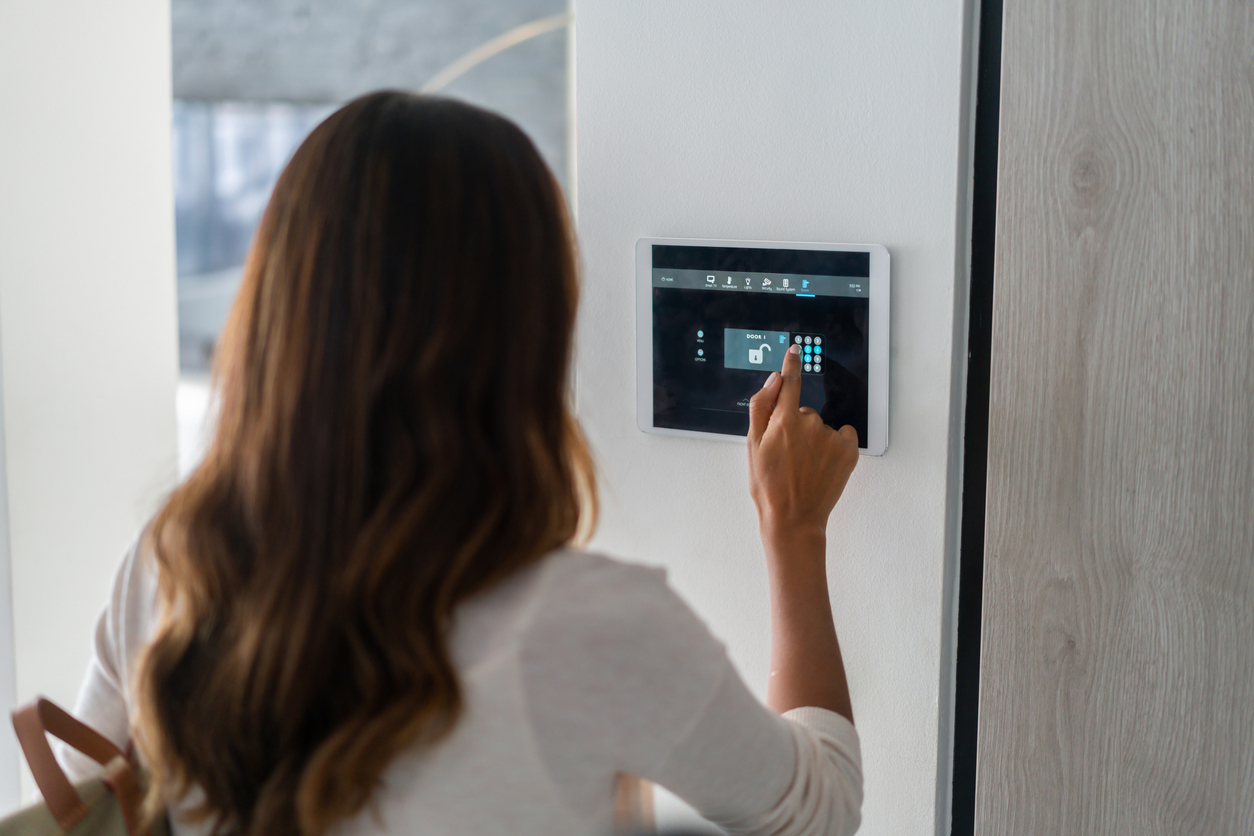
- Use tools such as card readers, cameras, intercoms and remote door release.
- Arrange furniture so you have unobstructed access to an exit.
- Identify a safe room, such as a conference room, storage room or restroom, to secure yourself in the event of a threat.
- Wear a defensive device such as a panic button, smartwatch or siren.
In a message to ACA members after the incident, ACA’s presidents said, “The tragic loss of our colleague in Florida has brought to the forefront a truth that is too often left unspoken: Counselors frequently work in environments where they are at real risk of bodily harm. … Planning for your own personal safety is not a sign of fear or weakness — it is a vital form of self-care.”
Logan Bell, MS, LMHC, clinical director and owner of Sigma Centrum Counseling LLC, followed the news closely. He’s also the owner of the Florida Therapist Network, which aims to unify and support professionals in the state. White was a member of the network. As the group’s message boards buzzed with messages of grief and fear, Bell began convening conversations and sharing safety-related resources.
The topic of personal safety was relevant to the counseling community even before White’s death; a 2023 study in the Journal of Counseling & Development found about three-fourths of counselors nationwide had experienced workplace violence — psychological and physical threats or acts — initiated by clients. The current climate has increased general levels of anger, distress and violence, and many counselors work with populations at increased risk of aggressive behavior, says North Carolina-based licensed professional counselor Kelly Lannon, LPC, LCMHC, BC-TMH.
Because of the variety of settings in which counselors practice — including private offices, shared suites, home offices and virtual platforms — there isn’t a single security blueprint everyone can follow. Instead, Bell recommends counselors apply relevant safety recommendations to their situation.
Fortifying Physical Spaces
If you see clients in person, some of the most tangible actions involve the space in which you meet. “The perspective I would take is to start from the outside in, in a layered approach,” says Dick Sem, CPP, of Sem Security Management, who provides security and workplace violence consulting to health care facilities, counselors and other clients.
Ideally, the entrance to the building would be restricted to the public, even during daytime hours, Sem says. Depending on the setting, that might not be possible — for example, in a multi-tenant office building. That makes interior security even more critical. Bell advises that — just as counselors are instructed to place three barriers between personal health information and the public as part of the Health Insurance Portability and Accountability Act (HIPAA) — they aim to set up three locked doors or other obstacles between themselves and outside aggressors.
The next level is the department or suite. Sem advises locking doors to allow counselors or administrative staff to screen people before they enter and using tools such as card readers, cameras, intercoms and remote door release. If someone other than a counselor handles check-in, that person should be trained on processes and emergency protocols and have a way to communicate quickly if there’s a safety concern.
From there, consider ways to reduce vulnerability mid-session. One of the biggest issues is that clients often sit between the counselor and the door. “If someone becomes confrontational, you’re, in effect, cornered,” Sem says. Instead, arrange your furniture so you have unobstructed access to an exit — or choose a space in which you can more easily maneuver, such as a larger conference room.
Also, consider identifying safe rooms — think conference rooms, storage rooms or even restrooms — where you can secure yourself in the event of a threat. “Violence in health care and counseling environments tends to be targeted: Somebody’s mad at somebody,” Sem says. “It happens in a small area, and few people are involved. Often, if you can find shelter — get out of sight and out of mind for 10 minutes until police can respond — that’s all you need.”
Lighting outdoors and in hallways is an inexpensive yet effective tool, especially at night and in the winter, Sem says. Stationary panic buttons can be covertly installed, such as under your desk or in a drawer, and can trigger a response that’s appropriate to your setting, such as alerting building security, informing others in your suite or connecting to law enforcement.
Wearable panic buttons and smartwatch programs can transmit a distress signal, as well as your exact location, which can be helpful to responders.
Many counselors wonder about installing cameras in the office. In many states, outside surveillance is legal, but HIPAA rules govern any recording inside. It’s important to read the fine print on how recordings are saved, transmitted and destroyed to ensure they’re compliant, Bell says. In addition, the ACA Code of Ethics requires counselors to get informed consent from clients to record sessions.
If you’re counseling in-person at night, consider syncing schedules so others are in the office, too. While you’re there, keep blinds closed so others can’t see inside, Lannon says. If you leave alone, stay aware of your surroundings and consider carrying a siren or other defensive device.
Considerations for Telehealth, Hybrid Practices and Home Offices
Meeting with clients remotely reduces immediate physical threats. But telehealth, especially when provided from a home office, introduces a different set of vulnerabilities, says Lannon, who co-instructs a course on emergency and crisis planning for virtual settings with the Telehealth Certification Institute. With a little searching and technological savvy, angry clients or potential stalkers can often track down a counselor’s personal information.
To put up digital barriers, consider using a UPS or USPS address instead of your home address for your National Provider Identifier or insurance billing. While you typically can’t use a P.O. box for this purpose, for an extra fee, you can often upgrade to a street address through these services. Other options include coworking spaces or connecting with a group practice to receive mail, even if you don’t provide in-person services there, Lannon recommends.
In addition, separate your personal and professional social media profiles, and consider using your first and middle names instead of your last name on personal accounts. Lannon has clear language in informed consent policies specifying boundaries, including not connecting with clients on social media.
During sessions, consider blurring or covering your background. Be careful not to have a window visible — the view outside can easily provide online sleuths with clues as to your address, Lannon says. Lynn Linde, EdD, chief of professional practice at ACA, adds that counselors should depersonalize their space if they don’t blur the background, including removing photos and personal effects.
If a client brings up the fact that they or someone close to them is having violent thoughts, Lannon explores that, letting the client know imminent threats might need to be reported. Counselors should follow applicable reporting laws in the state where they are practicing, Linde notes.
If a client becomes verbally aggressive during a session, ACA President-Elect Victoria E. Kress, PhD, LPCC-S, NCC, encourages counselors to first draw on their foundational counseling skills — staying regulated, using empathic reflection and engaging in gentle verbal de-escalation. Often, lowering one’s voice, acknowledging the client’s distress and inviting exploration of underlying needs can reduce intensity. A counselor might say, “I can hear how much this is affecting you. Let’s talk about where you are right now and what you’re needing in this moment.”
If the intensity continues or escalates, counselors can calmly and respectfully set limits while preserving dignity, Kress says. For example, a counselor could say: “I want to continue this conversation because what you’re sharing matters. I’m not able to do that when the tone feels heightened. Let’s pause for a moment and see if we can reset. If we’re not able to shift this, we may need to end for today and reconnect when we can both engage in a way that feels safe and productive.” Ending a session in response to threatening or harassing behavior is a safety decision, not client abandonment, provided appropriate follow-up, documentation and continuity-planning occur.
It can be tempting to brush off threats or harassment that occur virtually, but many violent incidents have early warning signs, Sem says. Keep screenshots — in a HIPAA-compliant fashion, if they’re clients — and report incidents to the appropriate authorities. The Florida county where Bell practices, for instance, has a sheriff’s bureau that handles cyber-harassment.
Developing Emergency Protocols
Counselors should be aware of the general risk level of the population they work with, Lannon says. Pre-session preparation and proper intake can illuminate more specific risks. Keep in mind that violence can come not only from clients themselves but also from those around them. Some clients are trying to change or escape abusive situations. “The person who’s on the other side of that, wishing for control, can be a significant risk,” Lannon says.
Lannon’s intake form includes open-ended questions that allow for a thorough exploration of risk, such as asking clients to describe their relationships, family and living situation. And, Lannon uses violence risk assessments that incorporate factors such as substance use, employment problems and a history of violence.
Don’t fear asking clients about their violent or suicidal thoughts using direct and specific language. For example, asking about thoughts of self-harm isn’t the same as asking about suicidal thoughts. “The more you’re comfortable with asking directly, the more you’re going to get the answer, which gives you more information to build risk mitigation plans into your practice,” Lannon says.
These risk assessments can help you make decisions about the best setting for a client. For example, higher-risk individuals might not be well-suited for telehealth, Bell points out. Instead, you might choose to see them in person during the daytime, when others are in the office.
From there, plan for how you’ll handle crises in every setting. Keep phone numbers for emergency services on hand, including those in locations where your telehealth clients are based. In addition, verify and document the location where your clients are taking their appointments, Lannon says. If they’re in their car or otherwise away from home, ask for their address, in case you need to call for help.
Decide in advance the type of behavior that will cause you to terminate a session or discharge a client, Bell suggests. Document these procedures and protocols for everyone who works in your office — including interns — and spell them out clearly in your informed consent policies.
Counselors know well that trauma can’t always be avoided. But assessing and mitigating risk, developing emergency protocols and communicating with those around you can help prevent or defuse violent incidents. Doing so can also improve the quality of your sessions, Lannon says: “You can’t be effective if you don’t feel safe, or if your client doesn’t.”
Search CT Articles
Current Issue
Sign Up for Updates
Keep up to date on the latest in counseling practice. Sign up to receive email updates from Counseling Today.

2461 Eisenhower Avenue, Suite 300, Alexandria, Va. 22314 | 800-347-6647 | (fax) 800-473-2329
My ACA Join Now Contact Us Privacy Policy Terms of Use © All Rights Reserved.