System Update: We are experiencing issues with login functionality for our store and digital assets. We appreciate your patience as we work to resolve the issue and apologize for any inconvenience. Learn More
Clark D. Ausloos, PhD, LPC, LPCC
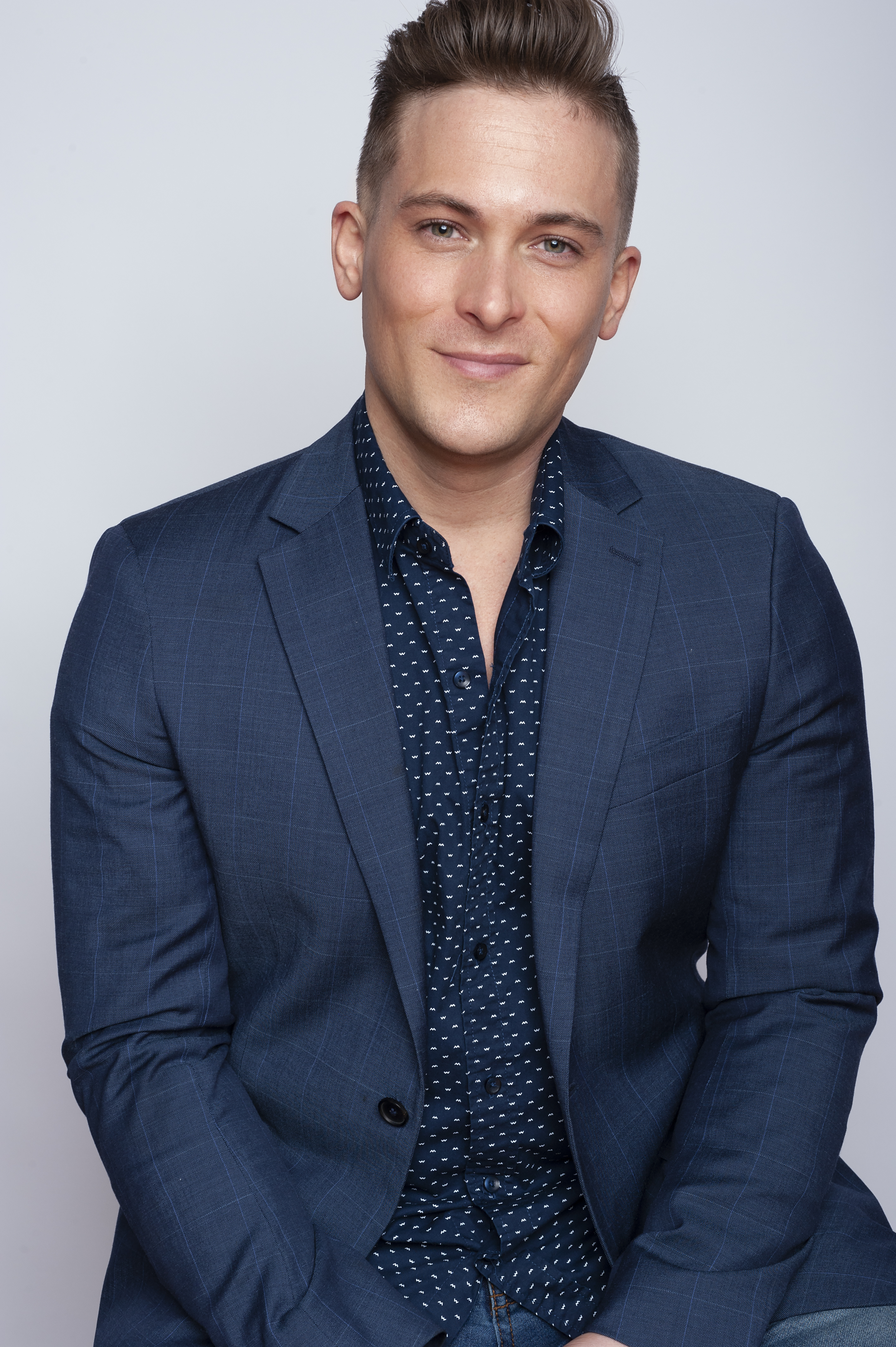
Assistant Professor, Counselor
Member Since 2015
Clark D. Ausloos, PhD, LPC, LPCC, is the owner of Clark D. Ausloos, LLC. He’s an assistant professor of counseling at Oakland University in Michigan. He’s also the president of the Society for Sexual, Affectional, Intersex and Gender Expansive Identities, a division of ACA.
Why did you decide to become a counselor?
I'd love to say my path was direct and intentional, but it really started with a music student. We'd been working together for about a year, and we usually began each lesson with 15 or 20 minutes of conversation. Over that time, we built real rapport. One day the student joked, "It's kind of like you're my therapist." It was a joke, but it made me realize that what I valued most in those moments was the connection, and being able to hold space for others, especially young people. That moment started my journey from music and theater into education, then counseling, and eventually training counselors.
Tell us about your professional background and your areas of specialty.
I hold dual licenses as a school counselor and a clinical counselor, in Ohio and Michigan. I specialize in working with queer, trans and gender-expansive youth, adolescents, and their families. I also work with LGBTGEQIAP+ adults and with people in diverse relationship structures and bonds. Alongside my clinical work, I'm a counselor educator and researcher focused on affirming, liberatory counseling practice, so I stay current on what best supports the communities I serve.
What do your licenses mean and who does it qualify you to provide counseling to?
I'm a Licensed Professional Counselor (LPC) in Michigan, and a Licensed Professional Clinical Counselor (LPCC) in Ohio. To me, these licenses mean I've received the training and skills to provide comprehensive counseling services to diverse populations across the lifespan. More and more, I also see how important the Counseling Compact is for making counseling accessible across state lines. That matters especially for queer and transgender folx, who may not have affirming providers close to home.
What are some of the biggest mental health challenges facing the LGBTQ+ community?
Many of the biggest challenges come from the systems LGBTQ+ people live within. Those pressures can show up as anxiety, depression, suicidality, strained relationships, isolation, behavioral concerns, and disordered eating and eating disorders. There’s often a real sense of hopelessness about living in this day and age. The mental health challenges shouldn't surprise anyone, especially for people with multiple marginalized identities, like queer and trans youth of color or LGBTQ+ people with disabilities. Underneath it all is a lack of support, acceptance, inclusion and validation of people's identities and lived experiences.
How does your teaching career factor into your overall work with LGBTQ+ youth?
As a counselor educator, my scholarship and teaching keep me learning about LGBTQ+ youth: Their experiences, their needs and the realities they face in the communities where I've worked, conducted research and presented. That grounding helps me understand what's happening where my clients live, so I can meet their needs more specifically. Teaching also keeps me curious. My students regularly push me to see things from new angles, which helps me stay creative and flexible in my work with young people and their families.
What role do you think counseling plays in the delivery of mental health services in today’s society?
A very important one. As a profession, counseling brings a strengths-based, wellness-oriented, holistic approach to understanding people across the lifespan. Counselors also work in a wide range of settings, including schools, agencies, private practice, hospitals, higher education and more. This reach is exactly why we need to keep training and licensing counselors.
Why is it important for people to take their mental health seriously?
I think it's less about taking your mental health "seriously" and more about noticing it, valuing it and respecting it the same way you would your physical health. We're holistic beings, and mental health is connected to every other part of our wellness. Counselors lean on evidence-based practices because we know they help, but we also have to stay open to other ways of being, knowing, learning and understanding.
What gives you the most satisfaction in being a counselor and serving children and adolescents?
What gives me the most satisfaction is walking alongside young people as they explore who they are, grow more confident in their identities, and navigate their relationships. I want to be the queer adult I didn't have when I was young, and this work lets me pay that forward. There are real challenges in this space, so I hold onto the small moments, because they're often the ones that matter most: a young person finally feeling respected or validated by their family, hearing their correct pronouns used, or making it through a school day without facing discrimination. I'm also deeply heartened when I see professionals come together to support LGBTQ+ young people, and each other, through advocacy. Finding and celebrating those small wins is what sustains me.

2461 Eisenhower Avenue, Suite 300, Alexandria, Va. 22314 | 800-347-6647 | (fax) 800-473-2329
My ACA Join Now Contact Us Privacy Policy Terms of Use © All Rights Reserved.