System Update: We are experiencing issues with login functionality for our store and digital assets. We appreciate your patience as we work to resolve the issue and apologize for any inconvenience. Learn More
Addressing Self-harm in Children
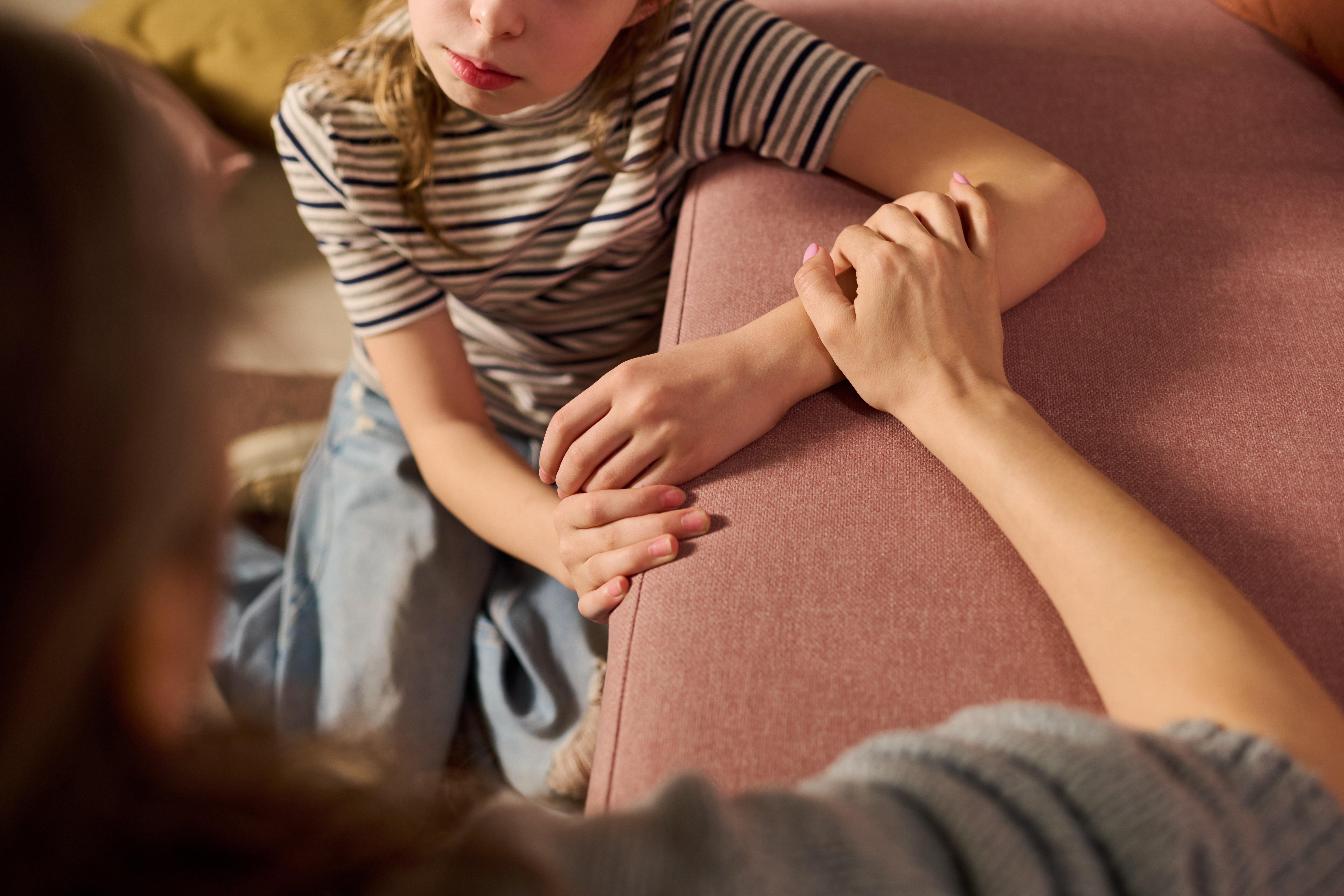
It is worrying for a parent to realize that their child may be hurting themselves and it raises numerous questions that can be overwhelming. Is the scratch you saw on their arm a sign of something deeper? If you see them hitting themselves in frustration while doing homework, what does that mean? You notice damage to the wall in their room, but you have no idea how it happened.
Before these questions can be answered you may need to understand what you are seeing in your child’s behavior. A person who harms themselves without intending to cause death, is engaging in what is called non-suicidal self-injury.
What is Non-suicidal Self-injury?
Experts define non-suicidal self-injury as deliberate damage to the body without suicidal intent. Common forms of these injuries can be cutting, scratching, wound interference, striking objects, banging or hitting oneself, pinching and pulling one’s hair. Researchers estimate that around 5% of adults and 20% of adolescents engage in non-suicidal self-injury.
Why Does Someone Hurts Themselves?
Generally, people who engage in non-suicidal self-injury are seeking emotional regulation, meaning they are trying to control their emotions and may have poor skills to cope with these emotions. However, there are other reasons people may engage in non-suicidal self-injury, which may include:
- To escape a negative emotional space or mindset.
- As a form of self-punishment.
- To communicate distress.
- To have influence over someone.
- To punish others.
Could This Become More Serious?
Are Some People More Vulnerable?
Researchers have identified six risk factors for people who engage in non-suicidal self-injury:
- They have a negative, distorted and painful belief about themselves and/or the world around them.
- They are emotionally vulnerable.
- They have poor coping skills in dealing with difficult situations.
- They have experienced victimization by their peers.
- They have trouble adapting to their family dynamics.
- They have specific situations that they consider stressful.
How to Help Someone Who Harms Themselves
ACA Resources

2461 Eisenhower Avenue, Suite 300, Alexandria, Va. 22314 | 800-347-6647 | (fax) 800-473-2329
My ACA Join Now Contact Us Privacy Policy Terms of Use © All Rights Reserved.